BY VIVIENNE AGUILAR
CV Journalism Collaborative
Last year, an environmental justice group called for change to local agriculture regulations because of health risks associated with pesticide fumigants used to clear orchards and farms near schools – but nothing has come of it.
In Modesto, an environmental advocate group started conversations meant to protect youth in schools from pesticide drift associated with a known cancer-causing substance, Telone.
The group cited two incidents reported to the Stanislaus County Agricultural Commissioner’s office in two years, though only one of them resulted in citations and penalties, and neither involved Telone.
However, advocates argue these incidents show how easily substances can drift, so more regulations will prevent expected health risks associated with Telone.
In humans, exposure to Telone has been seen to cause burning of the eyes and sinuses, skin irritation and rash, eye irritation and conjunctivitis, nausea, vomiting, stomach ache, headache, cough, chest pains, and loss of consciousness.
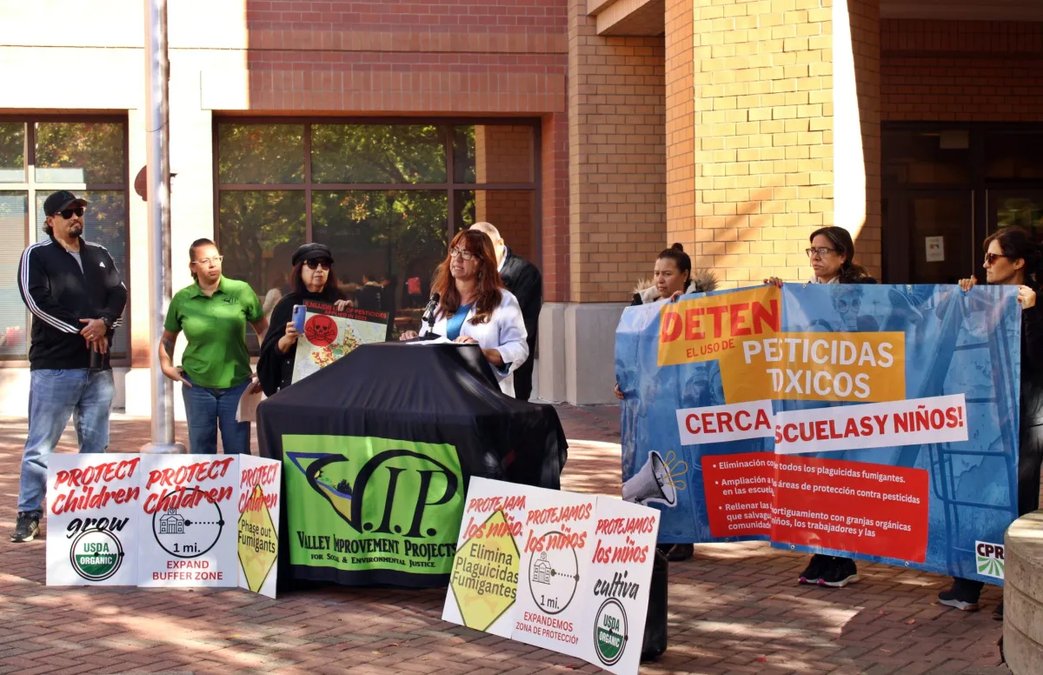
Valley Improvement Project, a nonprofit established in 2012, is dedicated to social and environmental justice and has been working on pesticide mitigation strategies, with a specific call to expand buffer zones where pesticides are sprayed near schools. The strategies are part of the larger community emissions reduction plan spearheaded by VIP.
The group’s pesticide reduction campaign calls for stricter regulations and protective measures, by expanding buffer zones around schools and tightening the timeframe of when farmers can fumigate.
VIP says the County Agricultural Commissioner’s (CAC) office, the California Department of Pesticide Regulation (DPR) and local school districts can create policies to expand the zone from one quarter-mile to a full mile.
Research compiled by VIP shows over 20,000 pounds of various pesticides have been applied near schools, mainly concentrated in Turlock, Modesto and Ceres.
A 2023 study on health risks of pesticides in Stanislaus produced by VIP and Environmental Working Group, a nonprofit research group, found farms within one-mile radius of 110 schools would be affected by a change in pesticide regulations.
Bottom of Form
Right now regulated pesticides, like Telone, can only be used on farms within the quarter-mile radius of school during a four-day window determined by CAC permits. And spraying is prohibited during school hours, Monday through Friday 6 a.m. to 6 p.m.
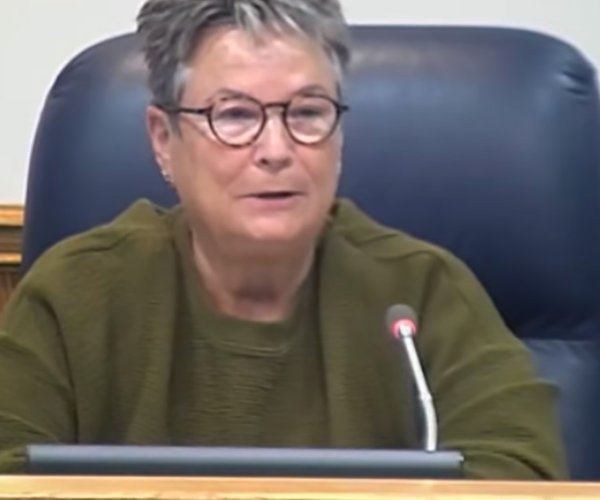
But Stanislaus County Agricultural Commissioner Linda Pinfold says there’s not enough public support changing the buffer zones.
“I just can’t simply dictate and say, ‘This is how it’s going to be.’ I probably could, but I don’t think I’m going to be in my job for very long, frankly, if I did that,” Pinfold said.
Politics of expanding the buffer zone
Environmental advocates and farmers are not in direct communication.
“Unfortunately, you usually intersect at meetings where you’re on opposing sides of an incoming regulation,” said Tom Orvis, an almond farmer near Hughson.
Orvis is also the director of governmental affairs for the Stanislaus County Farm Bureau, a membership organization dedicated to advancing the needs of local agriculturalists.
Both VIP and the bureau have invited the other side to various meetings over the years, Orvis said, but there have been no solid connections made to discuss health concerns related to Telone or other toxic materials used for farming.
Bianca Lopez, co-founder and co-director of VIP, said difficulty getting in touch with farmers is one reason why the group placed emphasis on calling out regulatory bodies like the CAC and DPR.
Pinfold said in an interview that this mentality doesn’t surprise her, and it leaves the Ag Commissioner’s Office as the go-between for issues like pesticide drift.
However, she admits the topic isn’t a priority for her staff either.
Pinfold said her office works with both sides to keep communities safe from exposure to harmful fumigants like Telone, but consistently finds the most harmful pesticide to Stanislaus residents is surprisingly common.
“I think anything that we can do to help people in the public understand I’m more concerned about people…using bleach correctly than I am (Telone exposure),” Pinfold said.
Telone and other pesticides flagged by VIP through their research are heavily regulated by the state and county, when compared to other states in the country, she said. Raising the standards for buffer zones and application windows would need to be advanced by farmers themselves if she were to consider overwriting local regulations.
Pinfold said it is possible for an ag commissioner to do so, but has only seen it once in her career, when there was a “documented loss and impact” on grape farmers in Solano County.
She stressed that the current buffer zone regulations involve a multi-step process, including certification classes, site inspections and sometimes third-party applicators, and would all be affected by the expansion VIP is calling for.
“We’re not going to do anything that’s going to harm ourselves, our family or our employees, because without all the above, we don’t have livelihoods,” Orvis said.
All sides urge for more education
Orvis said the bureau usually hosts an annual public event at Modesto Junior College in the fall, which can serve as a reminder to farmers that they have neighbors to consider.
The Farm Bureau will host the annual pesticide handling training required by DPR on March 5, from 9 a.m. to 2 p.m. Tickets range from $60 to $75.
VIP and the Ag Commissioner’s office partnered to push for DPR to conduct an air quality survey to study pesticide usage in 2024. It was a learning process for both groups.
Lopez said she was glad Pinfold worked with VIP to get this information.
Pinfold said the process took a long time and only offered a snapshot of the county’s air quality changes from pesticide usage. She said she would like to see more of these kinds of studies done around the county, but said she would need continued support by the VIP and other community groups to make that a reality.
VIP hosts the Stanislaus Pesticide Safety Network online at 1 p.m. on the third Wednesday of each month. You can sign up at Tinyurl.com/Stan-PSN.
“We’re going to continue to educate the schools about the necessity for the mile buffer,” said VIP community advocate John Mataka, “and the procedure of notifying the Ag Commissioner… (and how to) tell the doctor that they believe it was drift and get it documented.”
Mataka and Pinfold both said their groups will continue to teach residents and health officials the importance of speaking with physicians about suspected pesticide exposure. This is because the Ag Commissioner’s office requires submitted documentation before it can open investigations into suspected pesticide exposure.
Local schools in high-risk areas
VIP’s research on the top schools exposed to toxic pesticides in the county last year sparked a conversation around buffer zones within the community. The study found Hart-Ransom, Chatom Union and Turlock Unified School Districts to have the highest levels of exposure to pesticides in the region between 2023 and 2025.
The Turlock Unified School District board discussed its latest comprehensive school safety plan, an annually revised document required by the state. This year’s draft listed a potential procedure for pesticide and toxic substance exposure within a quarter mile of schools at its Feb. 2 meeting.
The item was struck from the document in a previous draft, and pesticide exposure mitigation strategies show up later in the plan alongside several other environmental safety concerns.
TUSD spokeswoman Catherine Medlin said the policy has been changed to reflect the baseline template required by the state.
The plan “may include procedures for responding to the release of a pesticide or other toxic substance at the discretion of the governing board; however, those procedures are not required,” she wrote in an email.
To sign up for notifications for fumigation plans in areas around you, visit SprayDays.cdpr.ca.gov. To submit a pesticide exposure complaint, visit StanAg.org.
— Vivienne Aguilar is a reporter for The Modesto Focus, a project of the Central Valley Journalism Collaborative. Contact her at vivienne@cvlocaljournalism.org.