BY GARTH STAPLEY
CV Journalism Collaborative
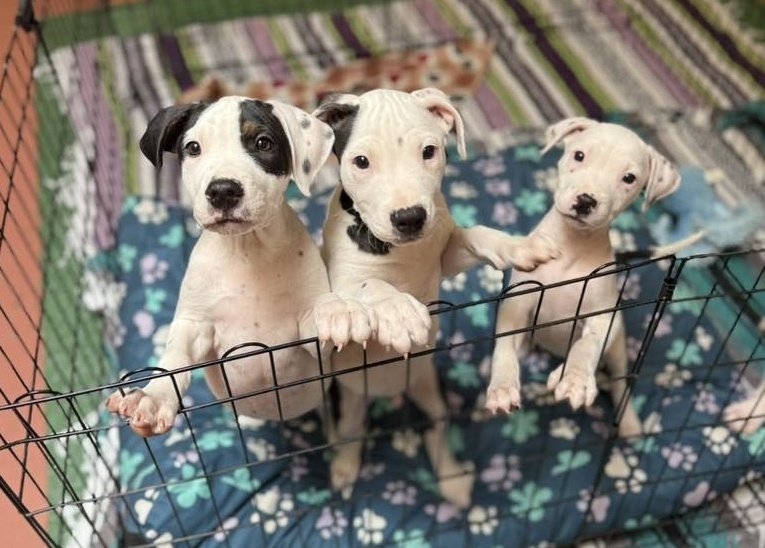
Saving more dogs and cats – and easing frustrations of people passionate about them – is the ultimate goal of a new effort to improve how animal services are managed in Modesto and much of Stanislaus County.
Spurred by unsettling stories about substandard care and spotty customer service at the Stanislaus Animal Services Agency (SASA) shelter, a small army of pet owners and advocates is demanding major reform.
And unlike many attempts to better the lives of animals over the years, this time:
- Proponents are organized. Groups have answered the call for “day(s) of action,” systematically approaching the powers that be – SASA, a consortium of government agencies – to insist upon real change.
- They have a conceptual proposal. Proponents are pitching a serious look at transitioning from government to nonprofit management.
- They have the attention of leaders from at least three of the agencies in question. Their unofficial spearhead, in fact, is one of those leaders – Modesto City Councilman Chris Ricci.
“There is a lot of frustration in the community about the animal shelter,” Ricci told The Modesto Focus. “This issue is the thing I’ve heard more about than any in the last year – ‘They don’t listen to us, nobody cares, nothing is going to change.’ Well, we reject the new normal. We want the best services for animals in Stanislaus County.”
SASA Executive Director Lily Yap, hired in March to run the shelter, said she welcomes public input as the agency looks to the future. “I appreciate how invested the folks involved in this campaign are,” she said. “Ultimately, we want the same thing: more services available for the community.”
‘The wheels fell off’ Modesto animal shelter
A joint powers authority composed of Modesto, Ceres, Hughson, Patterson, Waterford and unincorporated parts of the county runs the shelter at 3647 Cornucopia Way in Modesto. The area houses 76% of the county’s human population, while Turlock, Oakdale, Riverbank and Newman have their own shelters or contract for space in other facilities.
Ricci, a former special events promoter, convinced more than 100 people to gather the day before New Year’s Eve to write letters and make phone calls to people like himself – local elected leaders – requesting animal services reform.
They regrouped five days later – on a Sunday afternoon (Jan. 4) – to air grievances and chart a course of action in a meeting attended by five office holders from Modesto, Ceres and the Stanislaus County Board of Supervisors.
“People are frustrated,” said Modesto Councilman Jeremiah Williams, who was among those attending. “It’s not a squeaky wheel getting the grease. It’s that the wheels fell off.”
He and others heard story after story: Overworked shelter staff returning calls and emails weeks later. No appointments available for weeks, months or ever to drop off strays. Poodle puppies trying to get milk from their seriously ill, flea-infested mother too weak to stand – despite supposedly having received a health certificate from a shelter veterinarian approving transport for adoption outside of California.
Bottom of Form
Shelter staff reportedly apologizing for euthanizing animals by mistake. Or allegedly putting down three female dogs – Pearl, Melva and Shirley – one warm August morning despite having 36 unoccupied kennels.
At the Dec. 30 gathering, participant Kelly Ceglio said, “We’re busting our buns to save these dogs. Why can’t we move the needle at all? It’s ridiculous.”
She invests time driving to Modesto from her East Bay home because her neighborhood shelter, in Pleasanton, runs like a well-oiled machine and needs her less, she said. Samantha Lopez, also a Dec. 30 participant, makes regular rescue trips here from her San Francisco home for the same reason.
“We go where we’re needed,” Ceglio said.
Locals are well-represented in the reform movement as well.
Melinda Boyer of Modesto said she recently rescued a kitten and found it impossible to book an appointment for a low-cost spay, so she paid her vet $395 for the procedure – a tale that’s all too familiar among this crowd. She happily joined Ricci’s letter-writing force.
“We want change,” said Melissa Alvarez of Ceres, also busy on her laptop. “It starts with your voice.”
Upcoming public forum for Stanislaus animal services plan
Such voices will find an official forum Thursday, Jan. 15 in the Ceres Community Center, 2701 Fourth St., when the shelter’s governing body meets to discuss a strategic plan, a document guiding animal services for the next few years. The current one was developed for 2019 through 2022.
Although the Jan. 15 meeting starts at 9 a.m., Yap said the public comment segment – where people from the audience can share feedback – will come after a lunch break, around 12:40 p.m.
“I look forward to listening and learning from residents and community stakeholders,” Scotty Douglass said in a statement. He is both a Modesto deputy city manager and SASA board member.
Douglass was not available for a media interview, a city spokeswoman said, sharing instead a two-sentence statement, including: “The board is encouraged at the interest the public is taking to provide solution-oriented recommendations for improving the operations and veterinary services at SASA.”
Shelter officials everywhere are “trying to do the best they can,” said Jill Tucker, chief executive officer of the California Animal Welfare Association, or CalAnimals, which advocates for shelters. “The environment is challenging. They get beat up from the public over almost everything they do or don’t do.”
Shelter Animals Count, a national online database, says, “Many shelters are struggling with staffing and veterinarian shortages, and too few adoptions.” The number of euthanized pets throughout the U.S. has steadily increased each year since the COVID-19 pandemic, according to the nonprofit’s statistics.
After remarkable decline, euthanasia rates rising again at Modesto shelter
It’s true here, too.
Hardly any cats passing through the SASA shelter were put down in 2020, but by 2024, 28% were. The shelter was saving all but 3% of its dogs in 2020, but euthanized 11% in 2025, according to a Modesto Focus analysis of SASA data.
That could put SASA in danger of losing its no-kill status for dogs, defined as euthanizing less than 10%, since reaching that milestone with a measure of fanfare in 2019. That remarkable achievement followed a concerted effort from a time eight years before when more than half the shelter’s dogs were being euthanized.
But celebrations have been rare in comparison to complaints from animal advocates about chronic problems.
Civil grand juries found fault with management in 2008, prompting construction of the current shelter, and again in 2023. That one found a “backlog of 400 to 2,000 calls or emails for a response,” animals not accepted, few vaccination clinics and weeks-long delays for appointments.
“SASA currently meets the basic minimum requirements as a municipal animal shelter and animal control agency,” the agency’s then-chair wrote in an official response, while agreeing with many of the grand jury’s findings.
Multiple lapses in shelter’s online customer service
In a current check, The Modesto Focus found:
- No spay or neuter appointments available for dogs through SASA’s online scheduling service through all of 2026
- No appointments to turn in strays or trapped cats
- The first appointment available to surrender an animal: March 11
- Only six phone appointments available in January to discuss billing questions
- Four vacancies on the seven-member SASA advisory committee, composed of community members, suggesting nonfunction for lack of a quorum
- No mention of the Jan. 15 strategic planning meeting, or any other upcoming meeting – except a notice for standing monthly board meetings at the shelter’s Cornucopia campus in Modesto, not Ceres
Ricci’s group has developed a form letter to the SASA board criticizing the lack of affordable spay and neuter programs, feral cat trap-neuter-return services, and vaccination clinics and demanding dramatically improved animal intake and customer service.
“The shelter is not meeting the level of service our communities expect and require,” the letter reads. “We believe that meaningful structural reform is necessary to restore public trust.”
Stanislaus Animal Service Agency euthanasia rates by fiscal year are shown. Credit: Stanislaus County
Government-run shelters or those managed by nonprofits contracting with government agencies make up about 80% of CalAnimals’ membership, Tucker said, with the rest entirely private or foster-based rescues. Those doing well simply have more resources and lower demand to take in animals, she said.
Poor communities have a hard time attracting veterinarians who tend to set up shop where they can make more money, she said.
Could nonprofit management turn things around?
“If an agency wanted to explore outsourcing a function to a nonprofit, they’ll want to make sure the nonprofit is stable and has skilled people,” Tucker said. She said she’s seen “nonprofits spring up all over the state with people with good hearts who want to help animals, but they get in over their heads and all of a sudden are not able to do the work.”
Reform advocates wonder if a nonprofit structure could spend less on salaries and benefits, which currently take up $4.5 million, or 68%, of SASA’s $6.6 million yearly budget.
Yap, the shelter’s executive director, said, “It’s important to recognize concerns (of animal advocates) and to name them. 2026 needs to be a year of substantial change.”
Tucker warned against a “culture of blame, where you want to point a finger at someone. It’s very sad to me, knowing the people in the field, how often they’re vilified for doing extremely difficult work.”
Some elected leaders say they’re willing to explore options.
“Is the shelter doing everything that everyone wants? I’m sure they’re not,” said Terry Withrow, a county supervisor. “There may be room for improvement. So what would success look like, and how much could we afford?”
Ceres Mayor Javier Lopez, who attended the Jan. 4 meeting, said change requires patience. Finding or forming an appropriate nonprofit will take time, he said.
Lopez has adopted two dogs from the SASA shelter, including one that lived 17 years and a border collie he rescued a few months ago. She’s called Sol, Spanish for sun, because “she brings light to the family,” he said. “All she wants is hugs and kisses.
“We all know animals bring comfort,” the mayor said. “But we also have to protect them. We can’t turn our heads.”
Garth Stapley is the accountability reporter for The Modesto Focus, a project of the nonprofit Central Valley Journalism Collaborative. Contact him at garth@cvlocaljournalism.org.