Precipitation totals for the Tuolumne River Watershed are ahead of year-to-date averages, according to a Turlock Irrigation District hydrology report.
With 10 days remaining in January, the Tuolumne River Watershed has recorded 19.4 inches of precipitation — a little more than a quarter inch ahead of the historical average.
“We’re about 128.6 percent for the date, so, well above average for this time of year,” said TID Chief Hydrologist Olivia Cramer.
“And even if conditions dry out for the next couple of weeks, we will still be sitting above average in terms of (precipitation) right up until February… We’re sitting in a very good position as we move into this new year. We still have a lot of months ahead of us and, typically, February and March are big accumulation months.”
The Tuolumne River watershed is a 1,500-square-mile area that originates on the crest of the Sierra Nevada. Water there tumbles down rocky mountainsides and through glacially carved valleys on its way to the Central Valley.
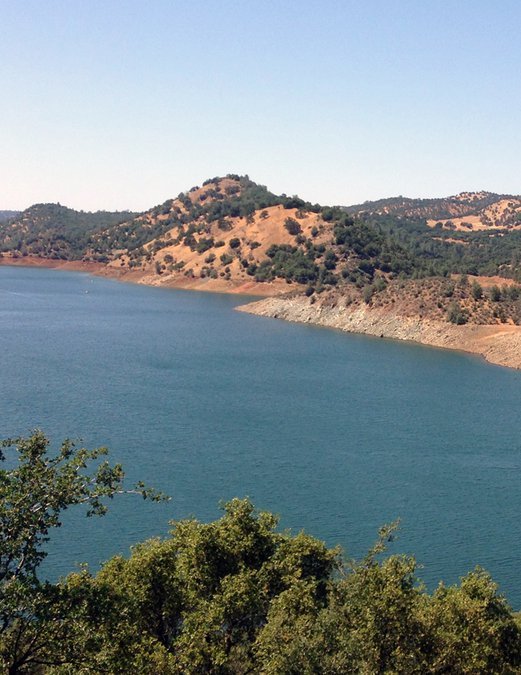
Don Pedro currently sits at about 797 feet elevation, which puts the reservoir at about 50,000 acre feet below flood level.
“We have to stay below flood-control levels between now and April 27,” said Cramer. “We can use the flood-control space that’s available, but we’re not allowed to stay in it. So, it’s there to allow if there’s a really large storm; we can absorb that storm.”
Locally, foggy gloom created by a high-pressure system has returned.
“You might see a break in that pattern Thursday and Friday,” said Dakari Anderson, meteorologist with the National Weather Service in Sacramento. “But the sunshine will be short-lived and the fog will likely return after that for at least a few more days.”
Anderson said there’s a “non-zero” chance of rain today and Thursday morning.
“More likely, it will probably just be additional cloud cover and some cooler temperatures,” said Anderson. “But there could be a shower or two.”
After that, the next best possible chance for showers will be the middle of next week and into that weekend, according to Anderson.