BY JEFFREY LEWIS AND JOHN LAZAR
Special to the Journal
There was a time, not so long ago, when the "common areas" of American life—the town square, the dinner table, the city council meeting, and even Congress were governed by an unwritten code of restraint. We call it decorum. This wasn't merely about being "polite" in a Victorian sense; it was a functional mechanism that allowed a pluralistic society to disagree without dissolving into tribal warfare.
Today, that mechanism is broken. From the venom through social media to the performative outbursts in our halls of government, we have traded the armor of dignity for the adrenaline of the "clapback." If we do not restore decorum, we are losing more than just our manners; we are losing the cultural infrastructure required for a free society.
The erosion of decorum is a byproduct of our modern "attention economy." Surrounded by 24-hour news cycles and algorithmic feeds, there is no longer a market incentive for the measured response. Far too often, public figures treat decorum as a sign of weakness—a "relic of the establishment"—rather than a prerequisite for effective governance.
When a legislator shouts during a State of the Union address, or a federal official is purposely rude to a member of Congress, or a protester disrupts a private meal, they aren’t engaging in bold truth-telling. They are participating in a race to the bottom that ensures no actual persuasion can take place. Decorum is the friction that slows our worst impulses; without it, the engine of democracy runs too hot and eventually seizes.
Much of this decline stems from the blurring of our private and public selves. We have been told that being authentic is the highest virtue, leading many to believe that every fleeting emotion deserves a public stage. But a society of pure, unedited authenticity is a society of chaos. Decorum is the recognition that because the public square belongs to everyone, it can belong to no one’s ego.
To maintain civility, we must accept the distinction between how one speaks in a living room and how one speaks in a court of law or a community meeting. This isn’t "faking it"—it is professionalism. It is an acknowledgment that the institution is more important than the individual, and that the "three minutes of fame" sought by a shouting citizen is not worth the price of a collapsed dialogue.
Restoring decorum will not happen through legislation, professional coaching, or corporate "sensitivity training." It requires a cultural pivot toward radical restraint. First, we must stop rewarding the loudest voices simply because they are loud. Second, our universities and professional bodies must demand a standard of conduct that transcends personal feeling. Finally, we must recognize that the screen's anonymity is the primary breeding ground for the indecency we eventually carry into the physical world.
The future of decorum is not about returning to a stifling past of rigid social hierarchies. It is about a future where we are disciplined enough to listen to someone we despise. If we cannot manage that, the "Great American Experiment" will end not with a bang, but with a series of insults.
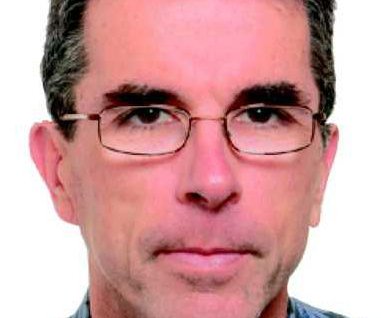
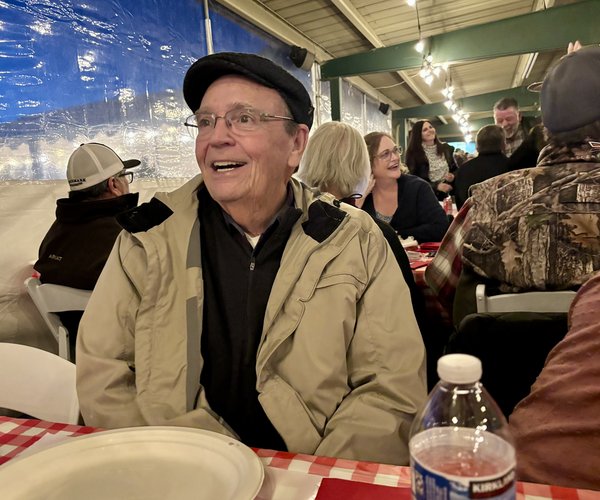
— Jeffrey Lewis is the President and CEO of Legacy Health Endowment and the EMC Health Foundation. John Lazar is the former Mayor of Turlock. The words expressed are their own.