California’s Central Valley is being squeezed in a political vise of budget austerity and unfunded mandates, and the health care workforce is caught in the middle. State and federal policy decisions that slash Medi-Cal while driving up staffing costs are not accidents; they are choices.
Federally Qualified Health Centers (FQHCs) in the Valley like Golden Valley Health Centers rely on Medi-Cal for the vast majority of their operating revenue. 80 percent of Golden Valley patients are enrolled in Medi-Cal. This equates to 80 percent of Golden Valley’s operating revenue. Yet the federal and state government made budget choices cutting Medi-Cal, including reduced funding for FQHCs and rural health clinics, enrollment freezes, benefit eliminations, and new premiums for low-income adults.
For Golden Valley, the math is simple. When Medi-Cal eligibility is tightened and benefits are cut, patients don’t disappear—they simply lose their insurance. FQHCs still provide care, but it becomes uncompensated, even as operating costs rise. Policymakers have layered on stricter eligibility redeterminations and oversight that have already pushed many people off coverage, with further freezes and premiums on the horizon. Every person who loses Medi-Cal coverage but still walks through our doors shifts from reimbursed to uncompensated, widening a budget gap we cannot close by goodwill alone.
On the cost side, the state has also mandated steep increases in health care worker wages through laws like SB 525, which sets a path toward a 25-dollar-an-hour minimum wage for many health workers over the next few years. Paying health care workers a living wage is the right thing to do. But the state cannot simultaneously demand higher wages, freeze or cut Medi-Cal payments, and then act shocked or blame Washington D.C. when clinics in rural and high-Medi-Cal regions struggle to keep their doors open. That is policy malpractice.
These decisions land hardest in the Central Valley, where FQHCs are the only primary care provider for many farmworkers, immigrants, and low-income families. The consequences of these political choices are entirely predictable. As FQHCs strain under underfunded mandates, patients will encounter longer wait times, reduced access to specialty care, and delayed diagnoses. Counties and hospital emergency departments will absorb more uninsured patients with advanced, preventable conditions. Taxpayers will ultimately pay more for worse outcomes, as crises replace prevention and emergency rooms replace primary care.
The path forward is as political as the problem. The governor and Legislature must reverse Medi-Cal cuts to FQHCs, stop harmful enrollment freezes and new premiums, and protect comprehensive benefits for all patients. State leaders must align reimbursement with workforce policy by increasing Medi-Cal rates and targeted supplemental payments to safety-net clinics to cover mandated wage hikes under SB 525 and similar policies.
If California truly believes health care is a human right, then it must stop balancing the budget on the backs of the Central Valley’s clinics and clinicians. Protect Medi-Cal. Give FQHCs the resources they need to keep their doors open. Anything less is a political decision to abandon the very communities this state claims to champion. At a minimum, don’t ask surprised when these communities have job losses, delays in care and increased public health issues.
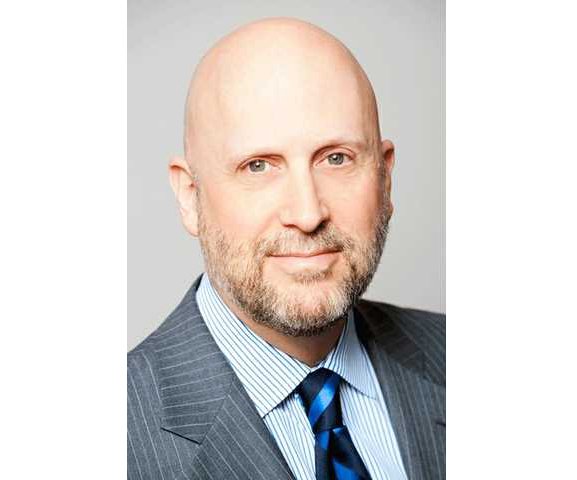
— David Quackenbush, President and Chief Executive Officer, Golden Valley Health Centers