Nothing ruins a pleasant summer evening quite like mosquitos – and the aedes aegypti is among the worst of those annoying pests.
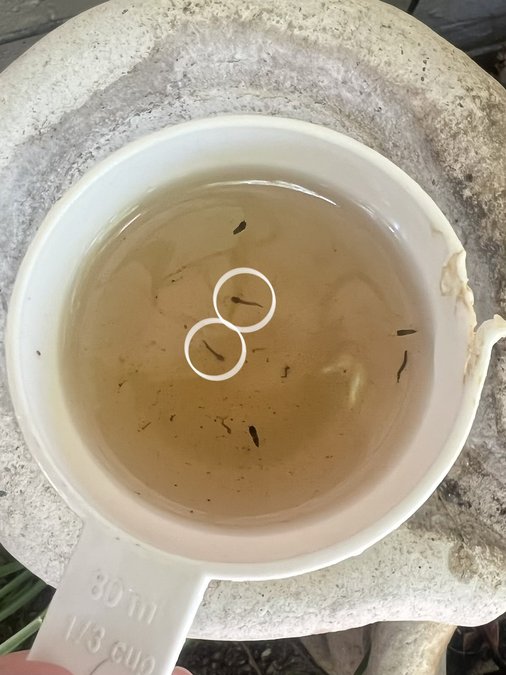
Turlock Mosquito Abatement workers are taking to city neighborhoods, knocking on doors and requesting to look in back yards so they can pinpoint likely breeding areas. It doesn’t take much – a bottlecap full of water is all these insects need to lay their eggs.
“The genus aedes is native to California, but the aegypti is invasive and was brought into the state a number of years ago,” said David Heft, general manager of the Turlock Mosquito Abatement District. “They came up through Los Angeles, entering through the port, then made their way north into Merced County. We first picked them up in Stanislaus County in Newman, about seven years. They’ve made their way up to San Joaquin and Sacramento counties and all the way up to Shasta.”
Unlike other types of mosquitos, who’d rather find a bird or cow to bother, the aegypti seeks out humans – aggressively – and can thrive indoors or outdoors. Plus, they remain in about a 300-foot radius of where they were hatched. But the worst part? They’re clever.
“They won’t just land on your forearm like an ordinary dumb mosquito,” said Heft, who has a bachelor’s degree in biology and a master’s degree in public policy and administration from Long Beach State, and a master’s in entomology from UC Riverside. “These mosquitos will land on the back sides of your arms, your elbows, your ankles. By the time you feel them, they’ve already flown off.”
Right now, Mosquito Abatement District personnel are only gaining access to about 40 percent of the homes they approach, according to Heft. Some residents might be working when their door is knocked upon; others might not spend a lot of time outside and think they don’t have a problem, while others simply don’t want to be bothered.
Besides spraying from trucks and planes, Heft said there are new techniques being tried.
“We’re releasing sterile males into the population,” said Heft, who pointed out that females only mate once during their life cycle. “If we can release enough sterile males into the population, they’ll mate with females, the females will lay their eggs, but they won’t hatch; they’ll be duds. Over time, this could have a major impact on the population. But we have to continue to monitor it very closely.”
The only downside? It’s expensive to create the sterile males.
While aegypti mosquitos do not carry the West Nile virus, they can transmit Dengue, Zika, and Chikungunya viruses.
Here are some tips for controlling mosquitos:
- Remove saucers under plants
- Fill rims of pots with sand
- Remove plants that hold water from your yard
- Repair leaky faucets
- Avoid overwatering and plant overgrowth
- Dump and scrub (every three days) any outdoor containers holding water, such as pet dishes, bird baths, fountains, kiddie pools
- Cover trash cans, bins, buckets and tubs with fitted lids and make sure they drain well
- Remove old tires, tarps, buckets, and other miscellaneous containers
- Direct sprinklers so containers are not accidentally filled
- Clean rain gutters and yard drains
- Use well-fitted door and window screens.
And if all else fails, use mosquito repellent.
“Buy an insect repellent that has DEET (diethyltoluamide) as its active ingredient,” said Heft. “It’s safe, and there are children’s versions. I’m the manager of the district and I’ve bought some for myself. These mosquitos have evolved to bite humans; they’re very aggressive and they’re going to find you. So put on some repellant and give us a call.”
To report mosquito activity in your area, call 209-634-1234, or visit TurlockMosquito.org for more information.