Turlock’s first-ever community garden and the Turlock base of the International Rescue Committee will be stops on a tour that members of the Episcopal Diocese of San Joaquin will undertake to bring awareness to social and environmental injustice.
Starting April 22, members of the Episcopal Diocese of San Joaquin will tour several of Central California’s troubling locales as well as places of healing and restoration as part of El Camino de la Pascua—or “The Way of Easter.” This 22-day-long, 1,100-mile tour of the Central Valley and Sierra Foothills will investigate places of crucifixion, hope and resurrection pertaining to environmental, migrant and racial justice.
The walking and driving tour includes stops at tragic locales such as the Japanese internment camp of Manzanar and farming communities impacted by the Westley tire fire site as well as wildlife preserves, community gardens and safe spaces for vulnerable populations. The camino will run April 22 through May 13, spanning from Ridgecrest and Taft in the south to Lodi in the north.
“’El Camino de la Pascua’ will provide the opportunity, for the Episcopal Diocese of San Joaquin and partners, to begin a ‘reckoning’ with our past and present. This reckoning prompts us to acknowledge and hopefully to learn from our culpability and complicit participation in fostering oppressive systems and structures and circumstances, which have and continue, to oppress marginalized people. Moreover, our ‘Camino’ will direct our attention and yes, our hearts, to places of hope. It is that hope upon which we build a different future,” said The Right Rev. David C. Rice, Bishop of The Episcopal Diocese of San Joaquin.
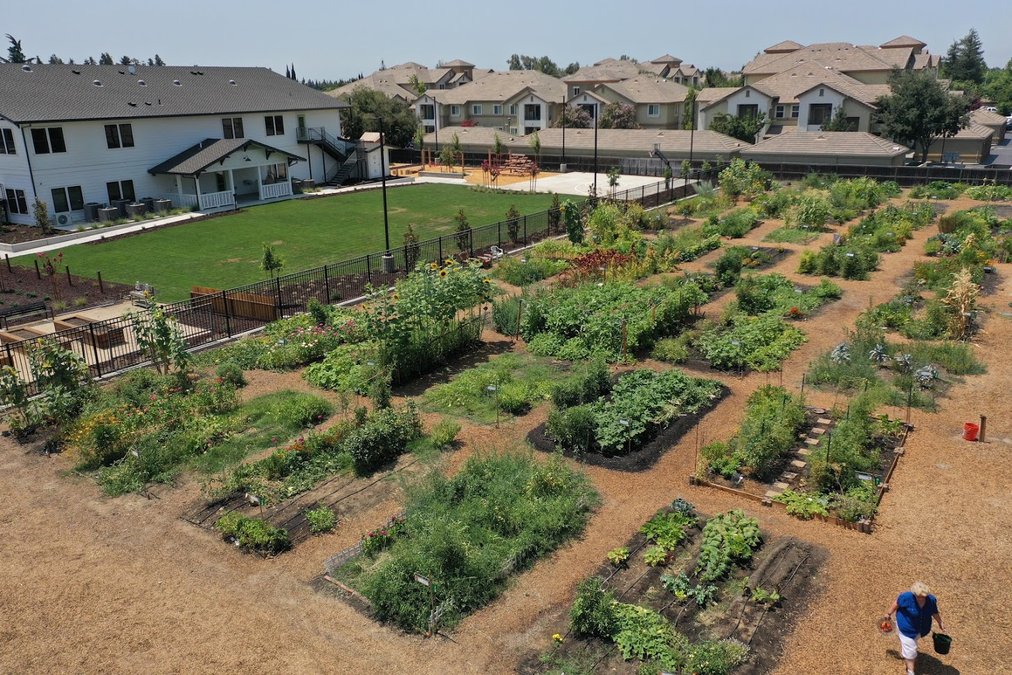
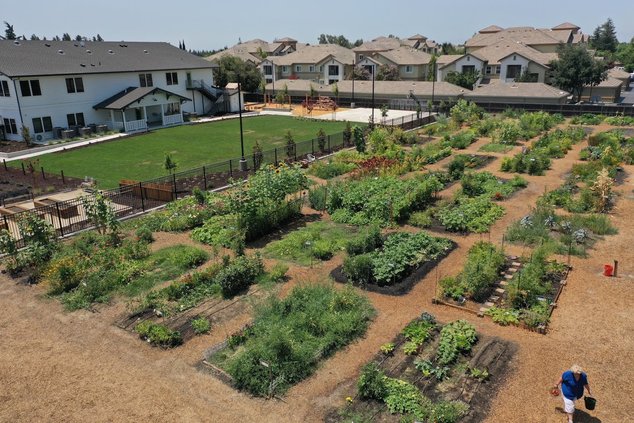
The tour is expected to stop at the Turlock Community Garden on May 12 and then visit the International Rescue Committee office in Turlock on May 13.
Families, educators, students, refugees and more are tending to crops of all shapes and sizes in the community garden, which was spearheaded by Stanislaus State Geology professor Julia Sankey in 2020 and has now grown into a thriving space for agriculture enthusiasts.
The garden consists of 45 plots, cared for by various individuals who all expressed interest in the garden before soil had even been laid. There are plots set aside for Jessica’s House clients, as well as a few tended to by refugee families from Turlock’s International Rescue Committee office.
The International Rescue Committee’s Turlock office is one of 25 locations throughout the United States that help displaced refugees find a place to lay their heads, offering aid during crises.
The Turlock IRC opened in 2004 and helps refugees forced to flee violence and persecution rebuild their lives here in the Central Valley, working with government bodies and local volunteers to help them translate their past experiences into assets that are valuable to their new communities.
The Episcopal Diocese of San Joaquin has embarked on similar journeys for justice in the past. In 2019, members participated in the Pilgrimage of Hope, a 17-day, 200-mile walk from Fresno to Sacramento that promoted advocacy for and awareness of the plight of California’s immigrants. In 2015, representatives of the diocese participated in the Tour Against Trafficking, a 763-mile bike tour that raised $50,000 to support organizations which support survivors of human trafficking.
“EDSJ continues to emerge as a faith community ‘on the move.’ This was evident in our ‘pilgrimage’ in 2019 and our ‘tour’ in 2015. We remain committed to joining our sisters and brothers, who are, far too often, not seen or heard, namely, those who are most marginalized. Thus, we remain ‘on the move’ to see, and listen, and to respond. That’s what this year’s ’camino’ is all about,” said Bishop Rice.
For more information about the tour route, visit: https://www.diosanjoaquin.org/the-route