BY AMRIT BRAR, ANDREA DIAZ AND VANGOGH TRAN
Special to the Journal
May signals the home stretch of preparations for the Stanislaus County Fair, where nearly a quarter of a million people will gather over 10 days in July for delicious treats, live entertainment, livestock exhibits, and fun for the whole family.
The Stanislaus County Fairgrounds have long been known for summer fun and childhood memories.
However, the fairgrounds were also once the site of unjust internment and betrayal of Japanese Americans by their own country. Local students today are working to spread awareness of this important history.
On Dec. 7, 1941, Japanese planes bombed Pearl Harbor. The United States declared entry into World War II the next day. At home, this caused immediate suspicion and prejudice against all those of Japanese ancestry. Signs were posted throughout the West Coast, preventing Japanese Americans from living normal lives without the fear of constant discrimination and threats.
On Feb. 19, 1942, President Franklin D. Roosevelt signed Executive Order 9066. Five short paragraphs allowed the forced internment of all Japanese Americans in camps across the West Coast.
Even here in Turlock.
The Turlock Assembly Center opened at the fairgrounds on April 30, 1942. As a temporary Civilian Assembly Center, like those in Stockton and Merced, Japanese Americans would be interned here until moving to larger, more permanent relocation camps. Thursday marked the 84th anniversary of the opening of the Turlock Assembly Center.
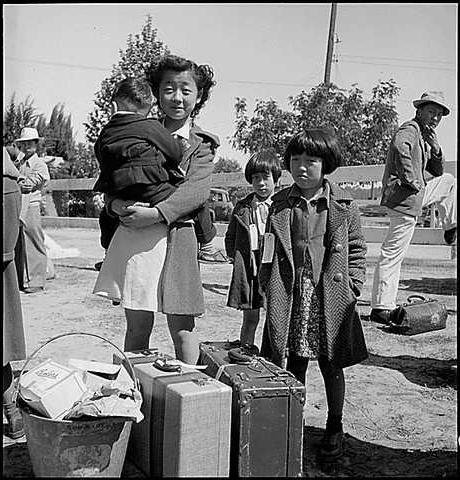
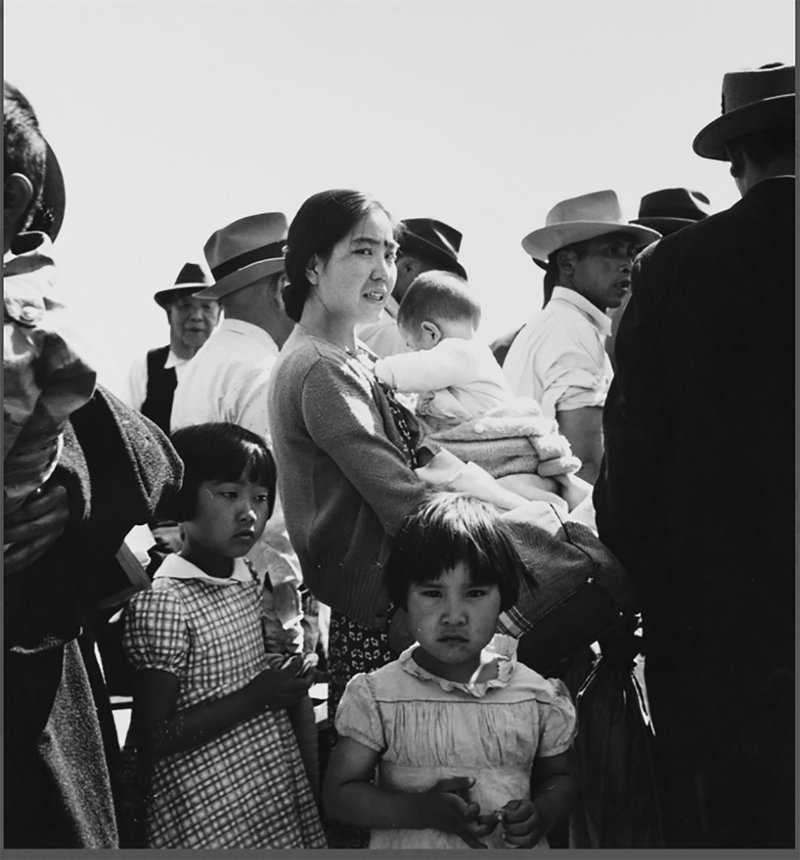
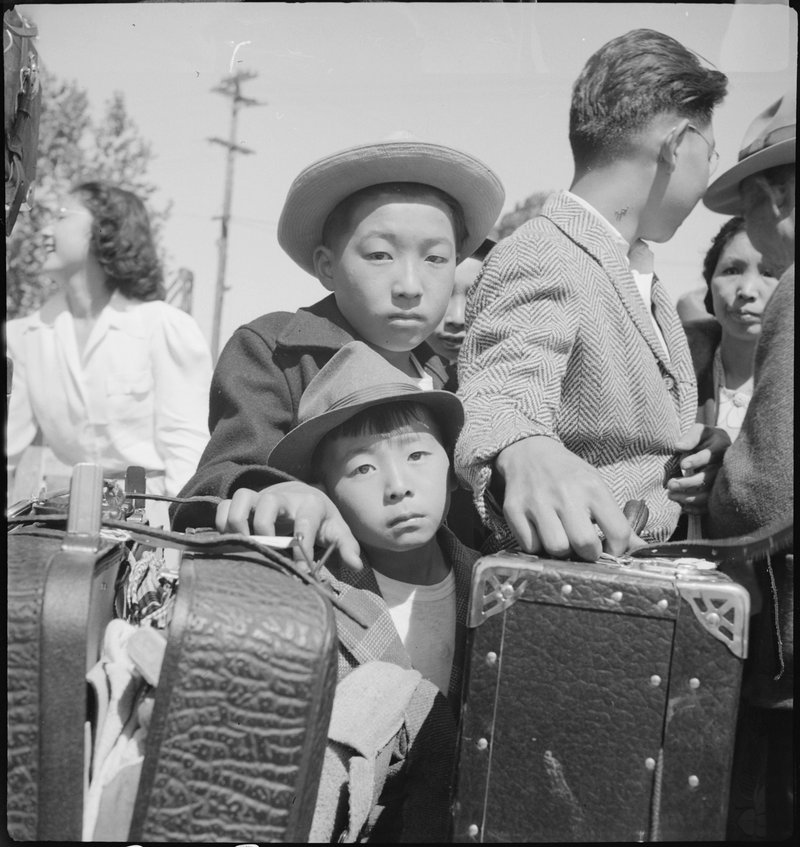
Forced to leave their homes, families gathered their belongings and children. They would never return to their normal lives. Photographer Dorothea Lange, famous for her Depression-era photo “Migrant Mother,” came to Turlock shortly after the assembly center’s opening. Lange’s photos of arriving internees depict distraught parents and children, torn away from their homes.
Over the ensuing months, 3,699 Japanese Americans would be interned at the fairgrounds in dismal living conditions. The Turlock Assembly Center newspaper mentions sanitation issues, disease outbreaks, and other quality-of-life problems.
However, the newspaper also reports recreational sports, school classes for children, new births, and a sense of community and undying American patriotism in tough times. Many young Japanese American men would volunteer to fight on the frontlines of the war.
The Turlock Assembly Center closed on Aug. 12, 1942. Many of its internees were relocated to Gila River Relocation Center in sweltering Arizona. At the end of the war, Japanese Americans were released, but the irreversible damage had already been done.
A small monument commemorating the injustices against Japanese Americans stands at the Stanislaus County Fairgrounds today. Proposed in 2008 by CSU Stanislaus students Kayla Canelo and David Seymour and constructed with the help of the Japanese American Citizens League in 2009, the monument stands as a reminder of the important history of the Turlock Assembly Center. Former Turlock Journal reporter Andrea Goodwin wrote an article in 2009 to recognize the monument’s construction.
Seventeen years later, high school students are speaking out in hopes of getting district-wide recognition of the Turlock Assembly Center, a crucial historical event they feel is not widely known among their peers.
At a Turlock Unified School District Board of Trustees meeting in April, Pitman High School juniors Amrit Brar and Vangogh Tran, along with support from fellow classmate Andrea Diaz, delivered a short presentation that highlighted this important historical issue and expressed their wishes for the history to be recognized for generations of local students to come.
Brar, Tran, and Diaz represent the Pitman Chapter of the Civic Leaders of America as well as the Pan-Asian Heritage Society at their school. The students hope the district will consider official annual recognition of the Turlock Assembly Center to ensure that these injustices will never be forgotten by the Turlock community.