The early 1980s were a very dark time for anyone whose life, in some way, was touched by HIV/AIDS. It was characterized as a death sentence for a reason: individuals diagnosed with it typically lived only 1 to 2 years after diagnosis. The epidemic strained our healthcare systems, overwhelmed hospital doctors and nurses, and caused long-term economic and societal burdens. It strained families, turned friends into caregivers, and the spread of fear drove people living with HIV/AIDS into social withdrawal. In some ways, that paradigm shifted with the advent of highly active anti-retroviral therapies in the mid-1990s, otherwise known as HAART. In 2026, that same patient diagnosed with HIV has a life expectancy approaching that of the general population. It is now commonly characterized as “graying with HIV”, but challenges still confront Californians living with HIV, and they can be profound.
For HIV long-term survivors, using the words “aging” and “HIV” in the same sentence to characterize their lived experience still seems unthinkable. The average U.S. life expectancy is 79.0 years. A newly diagnosed 20-year-old can look forward to living into their early 70s — averaging between 70.8 and 74.6 years — as long as they start HIV treatment promptly and adhere to it. According to government figures, over half of Americans diagnosed with HIV are aged 50 and older.
However, with aging comes new challenges for our friends, family, and neighbors who are graying with HIV in California. Aging-related physical limitations and emerging comorbidities, such as cardiovascular disease and diabetes, present burdens in everyday life. These challenges are exacerbated by fewer available aging-focused services, caregiver fatigue.
These realities are captured in an annual report published by HealthHIV, State of Aging with HIV. According to their most recent data, one-third of respondents reported mobility limitations due to HIV-related frailty, yet three-fourths of them haven’t been screened for being at risk of falls, and almost half reported highly visible body changes, such as gaining or losing weight. Maybe most concerning is that less than half rated their overall physical health as “good” when asked to compare it to people their age who are not living with HIV.
In many ways, that report demonstrates how the HIV/AIDS epidemic has evolved from trying to survive AIDS then, to struggling with HIV now. Progress, but with a price.
Let’s be clear, progress has been made. Californians living with HIV can now legally adopt without fear of discrimination, serve in the U.S. military, allow for HIV-positive to HIV-positive (P2P) organ transplantation, and, of course, the Americans with Disabilities Act extended protections in the workplace, sports, and society at large. However, any progress achieved over the last few decades must not diminish the real challenges being faced by Californians aging with HIV.
UCLA-led research on aging with HIV has revealed that the virus accelerates biological changes linked to normal aging, occurring within only two to three years after infection. UCLA and other studies show that people living with HIV often develop certain health conditions earlier than those without HIV. This accelerated aging results from chronic immune activation, inflammation, and even side effects from antiviral medications. Aging with HIV often means comorbidities presenting themselves earlier in life.
In 2024, Dr. Jennifer Lam and her research team at Kaiser Permanente found that the risk of dementia among older adults with HIV is higher among HIV-positive patients aged 50+ (2.5%) compared to their HIV-negative counterparts (1.3%). Lam reported dementia diagnoses occurring about 10 years earlier in the HIV-positive group.
The risks for cancer are even greater. For example, Californians living with HIV face increased risks of developing certain types of cancers, including Kaposi's sarcoma (KS), Non-Hodgkin lymphoma (NHL), cervical cancer, lung cancer, anal cancer, and liver cancer (National Cancer Institute, n.d.). Furthermore, in addition to these AIDS-defining cancers, HIV-positive Californians are approximately 19 times more likely to be diagnosed with anal cancer, three times more likely to be diagnosed with liver cancer, twice as likely to be diagnosed with lung cancer, twice as likely to be diagnosed with oral cavity/pharynx cancer, and eight times more likely to be diagnosed with Hodgkin lymphoma than the general population. Prostate cancer is now projected to be the most common malignancy among individuals living with HIV. It is also noteworthy that residents of California living with HIV are significantly more likely to succumb to their cancers compared to patients without HIV.
Aging-related challenges aside, medical and therapeutic advances have largely leveled the playing field, now allowing Californians aging with HIV to live a normal life expectancy. There is more to holistic health than simply breathing or performing activities of daily living. Mental and spiritual health are equally important, as is societal acceptance. Californians aging with HIV confront layered challenges with mental and spiritual health.
Depression, affecting about 39% of those with HIV, worsens health outcomes, reduces quality of life, and can shorten lifespan. The National Institutes of Health has studied the relationship between depression and health-related quality of life, revealing that people living with HIV aged 56-65 years with elevated depressive symptoms report the lowest health-related quality of life.
HIV long-term survivors (LTS)—diagnosed before 1996 or living with HIV for over a decade—often face worsened mental health challenges, such as heightened anxiety. The Well Project notes LTSs spent early adulthood fearing death and losing friends, causing lasting trauma that affects mental and physical health, finances, and quality of life. Just ask California’s own, Tez Anderson, who coined the phrase: AIDS Survivor Syndrome (ASS). Anderson describes the condition as a unique “psychological syndemic” in which two or more interconnected factors work together to amplify each other's severity. AIDS Survivor Syndrome is often compared to post-traumatic stress disorder.
The HealthHIV study referenced earlier included one very alarming number: 5%. That is the percentage of the survey respondents who said they had zero support system. That number jumps to 30% for people with a support system of two or fewer. It is a glaring reminder that the HIV isolation symbolic of the early 1980s still exists for far too many, even 46 years later.
Progress, but with conditions. That is how to best summarize the challenges facing Californians living with HIV in modern times. They are living longer in a world with growing societal acceptance of the disease. Conversely, they are facing mounting barriers to their physical, mental, and social health. In recognition of Older Americans Month, an unknown author's quote best summarizes aging with HIV: “Balance Isn’t a Destination; It’s a Journey of Constant Adjustment.”
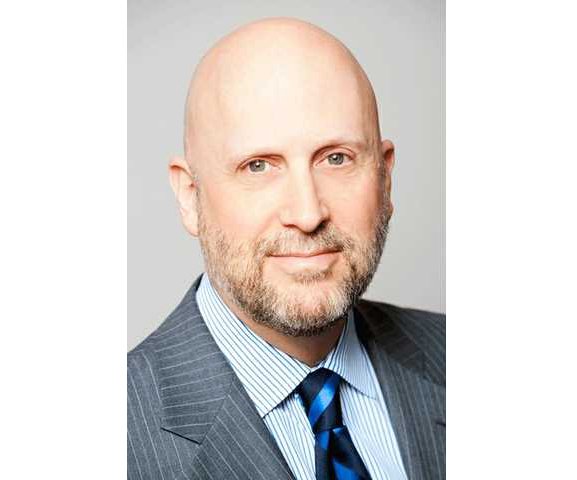
— Jeffrey Lewis is the President and CEO of Legacy Health Endowment. The words expressed are his own.