Each January, Americans brace for the same ritual. Drugmakers raise list prices, and the bill lands on families who did nothing to deserve it. This year was no different: drugmakers increased the cost of at least 350 branded medicines – from cancer drugs to migraine treatments to vaccines – with a median hike of about 4 percent.
Congress, the White House, and a host of daydreamers have spent the past several years telling Americans that relief is on the way. For seniors on Medicare, some of it has arrived. For the nurse, the electrician, the small-business owner, and the teacher in the middle of the income ladder, it largely has not. They pay the freight, and they deserve a government that fights for them as hard as it fights amongst itself.
Middle-income families occupy a uniquely exposed spot in the battle. They earn too much for Medicaid's protections and too little to shrug off a $600 monthly prescription. Many are covered through work, but coverage is not the same as protection when a high deductible must be met before insurance pays a dime.
The numbers bear this out. About a quarter of adults reported trouble affording prescription drugs in a late-2025 Kaiser Family Foundation poll, and even among households earning $90,000 or more, nearly one in five said the same. KFF's polling also finds that lower- and middle-income adults are more likely than higher earners to skip doses, split pills, or leave prescriptions unfilled to save money.
That is not a budgeting problem. It is a public-health problem. A skipped blood-pressure pill today becomes a stroke, an ER visit, and a lost paycheck tomorrow, and all of us end up paying for it.
Credit where it is due: Medicare can finally bargain. The first 10 negotiated prices took effect on Jan. 1, and AARP estimates seniors' out-of-pocket costs on those drugs could fall by more than half. Fifteen more follow in 2027, including the Ozempic family, whose Medicare price drops from a $959 list price to $274. The administration's most-favored-nation deals and TrumpRx add further discounts for some buyers. But working families striving to avoid welfare, food stamps, and other government programs are being squeezed at both ends.
Look who is left out. Negotiated prices apply to Medicare. The working-age family on an employer plan still faces the list price at the deductible, and the list price keeps climbing. Even drugs sold cheaply through new federal channels are rising elsewhere in the market.
We have built a lifeboat for retirees and left their children and grandchildren treading water.
Middle-income families should not have to wait until they are 65 for financial relief. They should not be a forgotten generation.
Families working every day to stay off welfare and care for their families are the backbone of the U.S. economy, and their health is the economy's health. When a parent rations insulin or a worker skips heart medication to make rent, the cost doesn't disappear. It returns as hospital bills, lost productivity, and higher premiums for everyone.
Americans across party lines agree that drug prices are too high. Washington has proven its focus is on the elderly, while working Americans pay higher prices.
Legacy Health Endowment and the EMC Health Foundation have launched a $2 Rx program with more than 1,000 generic medications, including insulin and all Hormone Replacement Therapy medications.
Partnering with Tower Pharmacy in Turlock and the Patterson Family Pharmacy in Patterson, people living from West Modesto to Atwater can sign up. The program focuses on working families who do not qualify for Medicare, Medi-Cal, or VA benefits.
If you have questions, email jeffrey@emchf.org for assistance in English and olivia@emchf.org for help in Spanish.
While the needs of people experiencing poverty are important to address, we cannot continue to ignore working families. The need is great, and the time for cutting your Rx costs is now.
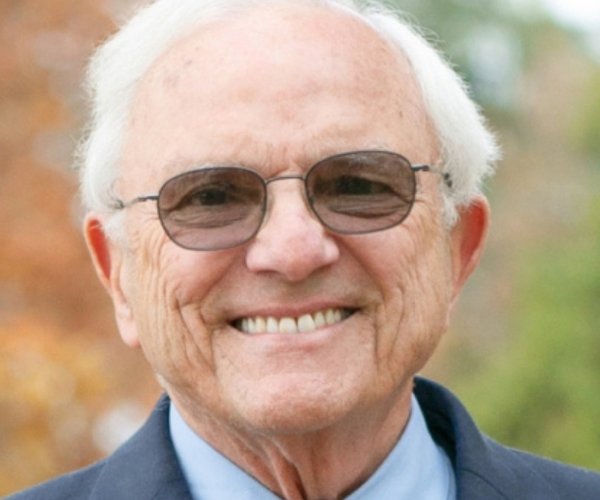
— Jeffrey Lewis is the president and CEO of Legacy Health Endowment and the EMC Health Foundation. The words expressed are his own.