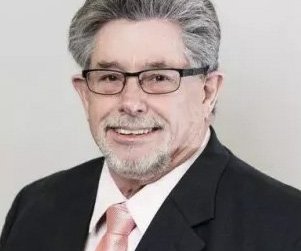
Rep. Adam Gray (D-Merced) signaled his support for a new bipartisan Senate proposal that could change how energy and infrastructure projects – including controversial data centers – obtain federal approval – making sure that data centers pay their fair share.
The Bipartisan American Affordability and Jobs Act of 2026 that was introduced in Congress’ upper chamber by Sens. Sheldon Whitehouse (D-R.I.), Shelley Moore Capito (R-W.Va.), Martin Heinrich (D-N.M.), and Mike Lee (R-Utah) on Sept. 30.
“Reaching an agreement on permitting reform is an important and long-overdue first step toward fixing a broken process that has held back our ability to build things again in the Central Valley and across the country,” said Gray, whose 13th Congressional District includes portions of Turlock. “I hear from folks in my district about the need for reforms to environmental laws like NEPA, CWA, and ESA, and this package delivers on all three.”
The legislation aims to provide certainty that permitted energy and infrastructure projects will retain their permits, absent any extraordinary circumstances (court order, legal violations). The bill also targets data centers by requiring them to pay for all associated transmission costs.
“In my district, we’ve seen firsthand how important projects can take years to get built because they are held up by duplicative environmental permits, litigation, and other procedural delays,” said Gray. “The Los Banos Creek Detention Dam Project – which expands an existing reservoir to allow for storage, groundwater recharge, and conveyance – was first proposed in 2012 but construction didn’t begin until the end of 2025. I attended the ribbon cutting at the beginning of this year. No project that takes six months to build should take over a decade to permit.”
Newsom vetoes Alanis bill
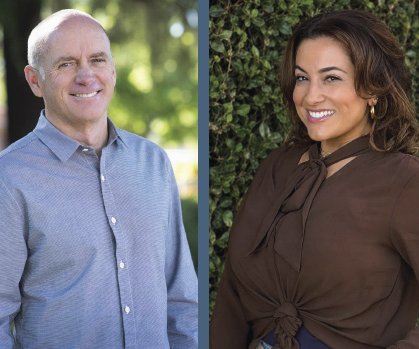
Gov. Gavin Newsom vetoed Assembly Bill 2282, authored by Assemblyman Juan Alanis (R-Modesto), that sought to establish an emergency care facility in Patterson.
The bill aimed to fill a critical healthcare gap for the Del Puerto Health Care District, which planned a 24/7 ER facility at its medical campus facility.
Patterson has been without a local hospital since 1998, with the nearest emergency rooms in Turlock and Modesto.
“Gov. Newsom’s veto is tragic,” said Alanis. “His message warns that patients could face delays, but his decision guarantees the longest delay of all: no emergency facility in Patterson and a 25- to 30-minute trip before care can even begin. He had a choice between a carefully regulated local option and a status quo that has failed the Westside for nearly three decades. He chose the status quo.”
Newsom explained that “freestanding emergency departments have never legally operated in California” and that “state law has long required that any emergency department be physically located within the hospital to ensure immediate access to necessary care.”