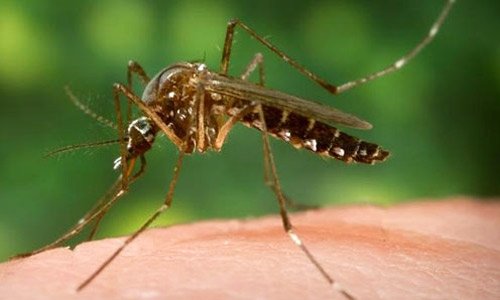
The Turlock Mosquito Abatement District has found West Nile Virus from mosquito samples collected last week in Stanislaus County, though no human cases have yet been reported.
A positive mosquito sample, often referred to as a "mosquito pool," means a group of mosquitoes collected for testing was found to carry West Nile virus. Collected on June 16, the samples serve as a reminder that residents need to take precautions, according to a press release issued by the county’s Health Services Agency.
As of June 19, 67 WNV-positive mosquito samples and 49 WNV-positive dead birds have been reported across several counties statewide, including Stanislaus, Merced, and San Joaquin counties in the Central Valley.
The East Side and Turlock Mosquito Abatement districts are urging residents to stay alert and remove any standing water on their property. Warmer weather leads to more mosquitoes breeding in standing water and a greater risk of West Nile Virus. The districts will continue actively monitoring the mosquito populations and employing measures to control mosquitoes. The districts anticipate more WNV and mosquitoes in the coming months.
Recently, Turlock Mosquito Abatement workers have been knocking on doors in Turlock, requesting to look in back yards so they can pinpoint likely breeding areas of an aggressive genus of mosquito – aedes aegypti – that actively seeks to bite humans, rather than birds or livestock. While not a carrier of WNV, aegypti mosquitos can transmit Dengue, Zika, and Chikungunya viruses.
According to the Centers for Disease Control and Prevention, symptoms of WNV usually start two to six days after being bitten by an infected mosquito but may not appear for up to 14 days after infection. Symptoms include a fever with headache, body aches, joint pains, vomiting, diarrhea, or rash. Most people with mild illness due to West Nile virus recover completely, but fatigue and weakness can last for weeks or months.
It may take longer for symptoms to start for people with a weakened immune system. And 80 percent of those who contract West Nile Virus show no symptoms at all.
People age 55 and older and those with certain medical conditions are at greater risk for serious illness if they contract WNV. Residents are encouraged to take the following precautions:
- Use an EPA-registered insect repellent product and apply it when spending time outdoors.
- Wear long sleeves and pants, especially during dusk and dawn when mosquitoes are most active.
- Keep mosquitoes out by using tight fitting screens on windows and doors and fixing any holes.
- Use air conditioning when possible; keep windows and doors closed.
- Report neglected swimming pools to your local mosquito abatement district.
- Contact your veterinarian for information on vaccinating horses against WNV.
For general mosquito prevention:
- Dump and drain standing water where mosquitos breed: buckets, tires, birdbaths, flowerpots
- Remove saucers under plants
- Fill rims of pots with sand
- Remove plants that hold water from your yard
- Repair leaky faucets
- Avoid overwatering and plant overgrowth
- Dump and scrub (every three days) any outdoor containers holding water, such as pet dishes, bird baths, fountains, kiddie pools
- Cover trash cans, bins, buckets and tubs with fitted lids and make sure they drain well
- Remove old tires, tarps, buckets, and other miscellaneous containers
- Direct sprinklers so containers are not accidentally filled
- Clean rain gutters and yard drains
- Use well-fitted door and window screens.
And if all else fails, use mosquito repellent.
For more information or to request service, residents should contact their local District:
If you notice an unusual number of mosquitoes or mosquitoes that bite during the day, contact the Turlock Mosquito Abatement District at 209-634-1234.
Dead birds can be an early warning sign of West Nile virus in your area. Report them to the California West Nile Virus Dead Bird Hotline: 1-877-968-2473 or westnile.ca.gov