Every day, more than 11,000 Americans turn 65. That pace, often called "Peak 65," is the fastest in the nation's history.
Within the next decade, older adults are projected to outnumber children in the United States for the first time. None of this is a secret. We have seen it coming for 60 years, ever since the baby boom began. Yet we still treat America's aging as a distant problem, when it is here now.
Look at what happens when an older person needs help with daily life, such as bathing, dressing, eating, or remembering to take medication. Most Americans believe Medicare will cover that kind of long-term care at home. It does not.
Medicare pays for hospital stays and doctor visits. It does not pay for the months or years of custodial care that many of us will eventually need. A private room in a nursing home now costs well over $100,000 a year. Families drain their savings until they qualify for Medicaid, the last-resort program. We have built a system where you must become poor before you can get care.
So, families fill the gap. Roughly 60 million Americans now provide unpaid care to a relative or friend. Many of them are in their 50s and 60s, with aging bodies of their own. Many are daughters who cut their hours or leave jobs they spent decades building. The work they do is worth hundreds of billions of dollars a year, but it shows up nowhere in our economic statistics. Instead, it shows up in lost wages, smaller retirement accounts, and exhaustion. Today's caregivers are tomorrow's elders, and we are making them poorer on the way.
The paid care workforce is no better off. Home health aides are among the fastest-growing jobs in the country, and among the worst paid. Many earn so little that they rely on public assistance themselves. Turnover is high, agencies cannot fill shifts, and families wait months for help that never comes. We are asking an underpaid, overstretched workforce to hold up one of the largest demographic shifts in our history.
Then there is money. Social Security keeps tens of millions of older Americans out of poverty, yet its trust fund is projected to run short in the early 2030s. If Congress does nothing, benefits will be cut automatically for everyone. Everyone in Washington knows this. Almost no one wants to talk about it before an election, and there is always another election.
None of these problems is unsolvable. What they share is a failure of imagination and will. We treat aging as a private misfortune rather than a normal stage of life that nearly all of us will reach.
A serious national response would begin with a few commitments.
First, create a real long‑term care benefit. Washington State has already launched a public long‑term care insurance program funded by a small payroll contribution. It is modest, but it proves the concept works. Leaders in Stanislaus and Merced Counties should explore piloting a similar model locally.
Second, support family caregivers directly through paid leave, tax credits, respite care, and Social Security credit for years spent caring for someone. Caregiving should not lead to poverty.
Third, fix Social Security now, while the options are still manageable. Every year of delay makes the eventual solution more painful.
Finally, change how we think about older adults. Americans over 65 work, volunteer, raise grandchildren, and start businesses in record numbers. Designing our communities, workplaces, and health systems to include them is not charity. It is common sense in a country where one in five people will soon be a senior.
Aging is the one future almost all of us share. The only question is whether we meet it with a plan or continue pretending it will not happen.
Right now, we are choosing to pretend, and parents and grandparents are paying the price. Soon, we will be too.
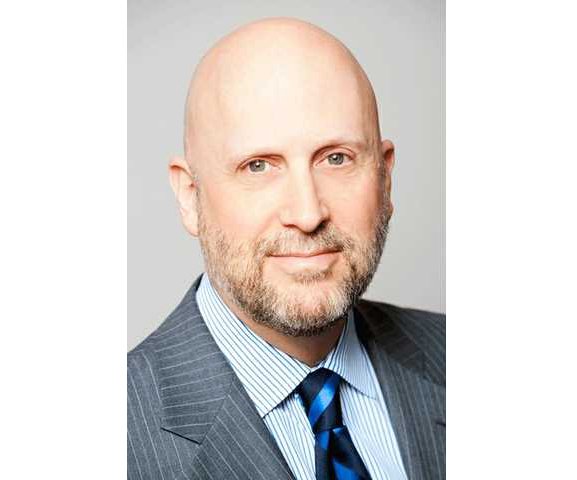
— Jeffrey Lewis is the President and CEO of Legacy Health Endowment and the EMC Health Foundation. The words expressed are his own.