For the past two years, GLP-1 medications like Wegovy and Zepbound have been hailed as a medical miracle. In this rare instance, science delivered a decisive blow against the chronic disease of obesity. But in a quiet and devastating turn of the new year, California joined a growing list of states, including Pennsylvania and New Hampshire, in stripping these life-altering treatments from their Medicaid programs.
The justification is always the same: cost. Faced with a looming budget deficit and soaring pharmaceutical spending, California’s Department of Health Care Services chose to prioritize the bottom line over the waistlines of its most vulnerable citizens. But by viewing GLP-1s as a "luxury" expense rather than a fundamental tool for public health, we are setting the stage for a far more expensive crisis of chronic disease in the decades to come.
Obesity is not a lack of willpower; it is a complex chronic disease. No one wakes up in the morning and declares, “I want to be obese.”
When states cut coverage, they aren't just saving money; they are effectively forcing patients into a "rebound." Clinical data is hauntingly clear: patients who abruptly stop taking GLP-1s typically regain the weight they lost.
With that weight comes the return of the very comorbidities these drugs were successfully managing:
- Hypertension and soaring cholesterol levels.
- The progression of Prediabetes to Type 2 Diabetes.
- Increased risk of Cardiovascular Events, which studies show access to these drugs helps avoid by the tens of thousands.
The "savings" generated by these cuts are a mirage. While California projected that continuing coverage would cost nearly $800 million annually, this figure fails to account for the staggering price of treating the complications of untreated obesity.
Annual medical expenditures for an individual with obesity can be up to 3.3 times higher than for those without. By removing the primary tool for weight management, the state is essentially choosing to pay for future heart surgeries, dialysis treatments, and emergency room visits instead of a monthly injection that prevents them.
Perhaps most damning is the message this sends to low-income Californians. While the wealthy can afford to pay out-of-pocket for these medications—even with recent price negotiations—the Medi-Cal population is being told to rely on "diet and exercise," advice that has historically failed to address the biological drivers of obesity. This creates a two-tiered health system where metabolic health is a privilege of the few rather than a right for the many.
There is a better path forward: create greater competition among the GLP-1 manufacturers and request their bottom-line pricing and charitable assistance. In an era of economic uncertainty, asking companies like Lilly and Novo Nordisk to provide Medi-Cal patients in California with at least 6 months of free Zepbound or Wegovy is not unreasonable.
California has long prided itself on being a leader in health equity and innovation. To turn our backs on a proven solution for one of our greatest public health challenges is more than a budget cut; it's a betrayal of the very people the Medi-Cal program was built to protect.
We must reinstate coverage before the short-term savings turn into a long-term public health catastrophe. It is time to stop the health divide in California and treat Medi-Cal and private insurance recipients equally.
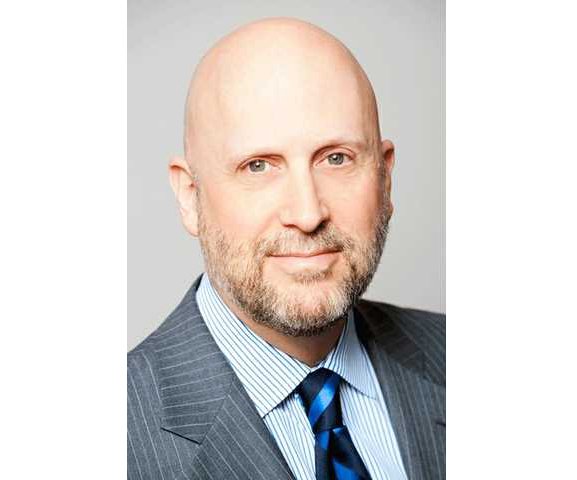
— Jeffrey Lewis is the President and CEO of Legacy Health Endowment. The words expressed are his own.